
If you sell into Europe, your packaging is about to matter a lot more than it used to. Not because Brussels suddenly wants to make life harder for businesses, but because the mountain of packaging waste across Europe has become impossible to ignore. Every oversized box, unnecessary plastic sleeve, and impossible-to-recycle mailer is now firmly in the spotlight.
That’s where the new EU Packaging and Packaging Waste Regulation (PPWR) comes in.
And while the name sounds painfully bureaucratic, the real message behind it is surprisingly simple…
Use less. Waste less. Make packaging easier to recycle.
For publishers, eCommerce brands, and businesses shipping products into the EU, this is going to change how packaging is designed, used, and even charged for. Packaging can no longer be treated as an afterthought.
From August 2026, companies sending goods into the EU will need to think carefully about things like empty space inside parcels, recyclability, materials used, and even the inks and adhesives on packaging. That oversized mailer with loads of padding, or plastic packaging that can’t be recycled easily could cause you problems. Even “eco-friendly” bio-plastics aren’t necessarily safe under the new rules if they contaminate standard recycling systems.
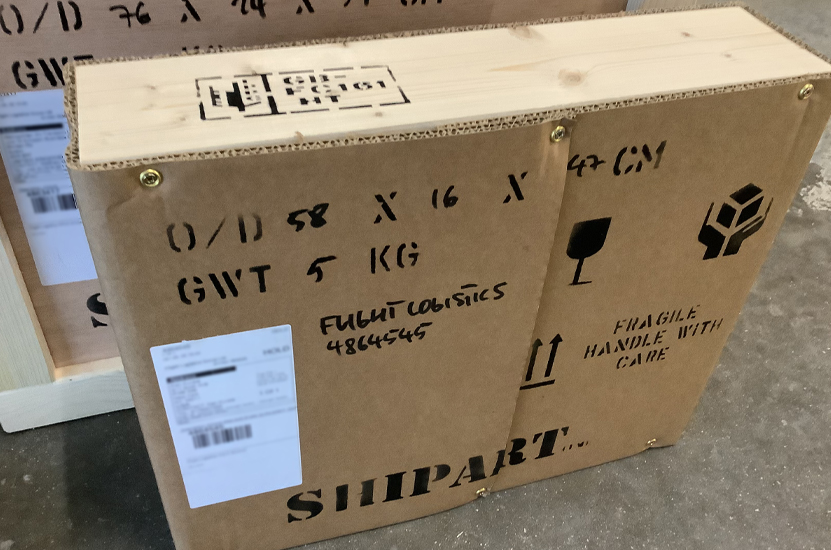
For many businesses, especially publishers and eCommerce retailers, one of the most important changes is the new void space rule. In plain English, parcels must fit products properly. The EU wants to stop companies shipping tiny items in huge boxes full of air.
Paper and cardboard packaging are generally in a much stronger position than plastics under the new regulation. They’re widely recycled already and avoid many of the tougher recycled-content targets aimed at plastic packaging.
Paper isn’t automatically exempt from scrutiny.
By 2030, all packaging sold into the EU must be considered recyclable in practice, not just in theory. That means packaging designs using difficult glues, plastic laminates, heavy coatings, or problematic inks could still fall foul of the rules.
There’s also a growing administrative side to all of this. Businesses shipping into the EU may need packaging declarations, recycling registrations in multiple countries, and clear proof that their packaging complies with the regulation.
For UK businesses, this matters more than many realise.
Even though the UK is outside the EU, the rules still apply if you’re sending products to customers within EU member states. In other words, if Europe is part of your market, PPWR is part of your future.
The good news is this…
Businesses that simplify their packaging now are likely to be in a far better position later.
Less unnecessary packaging. Better fitting mailers. Easier-to-recycle materials. Clearer recycling information.
In many cases, the changes that help compliance also reduce shipping costs, reduce waste, and improve customer perception at the same time. And perhaps that’s the real takeaway from all of this. The companies that adapt best probably won’t be the ones treating PPWR as another box-ticking exercise. They’ll be the ones recognising something consumers already feel instinctively:
Nobody likes wasteful packaging anymore.
Created by: Steve Bodie | Marketing Manager | Flight Logistics Group Ltd.