
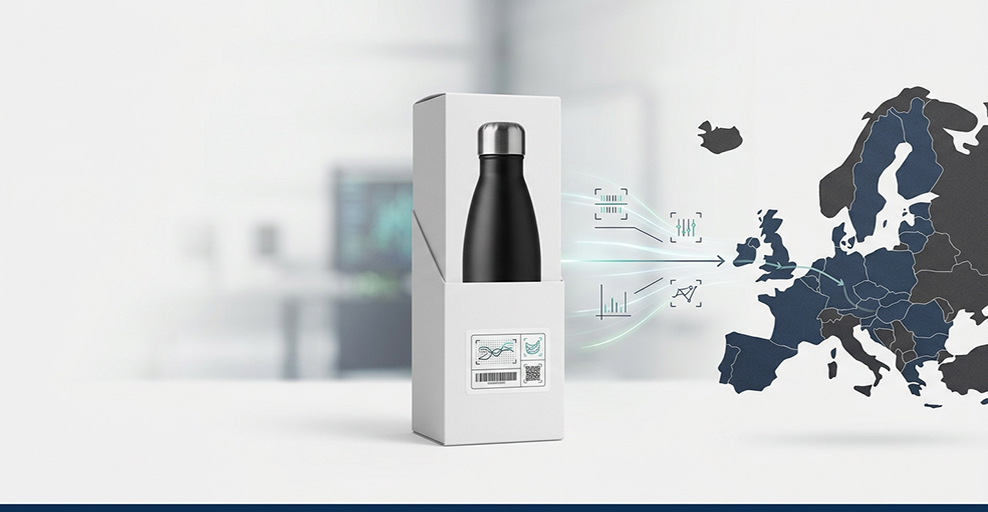
From 1 November 2026, Product Identifiers (PIDs) will become mandatory for B2C distance-sale imports into the EU.
This has been voluntary since 1 July 2026, giving businesses an opportunity to prepare ahead of the mandatory requirement.
In simple terms, a generic product description will no longer be enough. Customs declarations will need product-level identification data that allows the specific goods being imported to be identified and traced.
What are Product Identifiers?
Product Identifiers provide specific information that identifies an individual product for customs purposes.
For each product, this can include:
- Merchant Product Identifier (M-PID) – the seller’s SKU or product reference.
- Non-Standardised Manufacturer Product Identifier (NS-PID) – the manufacturer’s, producer’s or supplier’s product reference.
- Standardised Product Identifier (S-PID) – such as an EAN, ISBN or other recognised standardised product identifier, where one exists.
If a standardised identifier is not available, an exception code is used to declare that no standardised identifier exists for the product.
The voluntary period is already underway, giving businesses the opportunity to check that the right product information is being captured, validated and passed through to the customs declaration.
Why do Product Identifiers matter to eCommerce businesses?
For businesses shipping regularly into the EU, this is as much a data and fulfilment issue as a customs issue.
Having the correct product information is one part of the process. Businesses also need to make sure that information can move accurately through the systems involved in processing and shipping an order.
This may include:
Ecommerce system → product/order data → fulfilment → shipping → customs declaration
If product information is missing, inaccurate or incorrectly mapped between systems, it can create problems when an order is prepared for shipment and its customs declaration is completed.
What should eCommerce businesses be checking now?
The voluntary period provides an opportunity to review and test the process before the November deadline.
Do you have accurate Product Identifiers for your products?
Check that the appropriate identifier is recorded against the relevant product or SKU and that the information is accurate.
Do your supplier and product records contain the required information?
Make sure manufacturer, producer or supplier product references are being captured where required and are available to the systems handling your orders.
Can the information flow through your fulfilment process?
Check that Product Identifier information can move from your eCommerce or product management system through your fulfilment and shipping processes and ultimately into the customs declaration.
Have you tested the process?
Don’t wait until November to discover that product information is missing, incorrectly mapped or unavailable to the systems preparing your customs declarations.
Testing the complete process now gives businesses an opportunity to identify and resolve potential problems before the new requirement becomes mandatory.
Product Identifiers and fulfilment
For eCommerce businesses using a third-party fulfilment provider like Flight Logistics, it is particularly important to understand where responsibility for product data sits.
The business may hold the correct Product Identifier in its product database, but that information still needs to be available to the fulfilment and shipping processes handling the order.
Businesses should therefore establish:
- Where Product Identifier information is stored.
- Which identifier is associated with each product or SKU.
- Whether supplier and manufacturer information is available where required.
- How the information is transferred to the fulfilment provider.
- How the information reaches the shipping and customs process.
- Whether the complete process has been tested.
The key issue is not simply having the data. It is making sure the right data can move through the fulfilment and customs process accurately.
Frequently Asked Questions
What is a Product Identifier (PID)?
A Product Identifier is product-level information used to identify specific goods for customs purposes. For B2C distance-sale imports into the EU, Product Identifiers become mandatory from 1 November 2026.
When do Product Identifiers become mandatory?
Product Identifiers become mandatory for B2C distance-sale imports into the EU from 1 November 2026. They have been available for voluntary declaration since 1 July 2026.
What is an M-PID?
An M-PID is a Merchant Product Identifier assigned by the seller, marketplace or platform. This can be a SKU or another merchant product reference.
What is an NS-PID?
An NS-PID is a Non-Standardised Manufacturer Product Identifier assigned by a manufacturer, producer or product supplier.
What is an S-PID?
An S-PID is a Standardised Product Identifier. This can include an EAN, ISBN or another recognised standardised product identifier where one exists.
What happens if a product does not have a standardised identifier?
Where a standardised product identifier is not available, an applicable exception code is used to declare that no standardised identifier exists for the product.
Do Product Identifiers affect eCommerce fulfilment?
They can. eCommerce businesses need to ensure that accurate product identification information can flow through their ecommerce, order, fulfilment, shipping and customs processes.
What should eCommerce businesses do before November 2026?
Businesses should review their product data, check that the appropriate identifiers are available and accurate, confirm that supplier information is captured where required, and test that the information can flow through their fulfilment and customs processes.
Do businesses using an outsourced fulfilment provider need to check their processes?
Yes. Businesses using third-party fulfilment should establish how Product Identifier information is transferred from their ecommerce or product systems to their fulfilment, shipping and customs processes.
Preparing for the November 2026 deadline
For businesses shipping regularly to EU consumers, the introduction of Product Identifiers is as much a data and fulfilment consideration as it is a customs consideration.
Reviewing your product information and testing the flow of data now can help identify potential gaps before the new requirements become mandatory.
At Flight Logistics, we understand that successful fulfilment depends on more than simply picking, packing and shipping an order. Accurate product and order information needs to move through the fulfilment and shipping process alongside the physical goods.
If you’re reviewing your ecommerce fulfilment and EU shipping processes ahead of the November 2026 deadline, talk to Flight Logistics about your requirements.